Anúncios
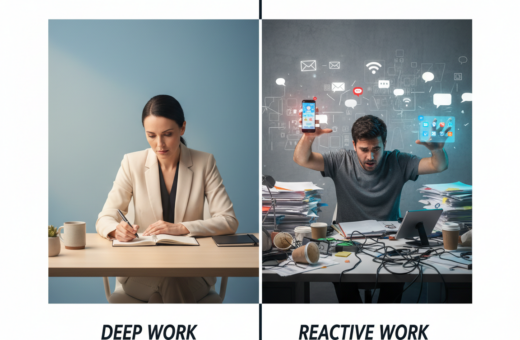
Modern offices face a steady stream of interruptions. A survey of 3,750 knowledge workers by Workfront found employees are interrupted about 14 times per day. This constant churn fragments the mind and shrinks usable mental capacity.
Analysis of 50,000 users by RescueTime shows the average worker checks communication tools every six minutes. Those frequent checks steal precious minutes and cut deep into the time needed for complex tasks.
When interruptions mount, even short stretches of focus vanish. Workers often fail to find thirty minutes of uninterrupted time during the day. That loss hinders steady progress and lowers overall productivity.
Understanding these patterns helps teams rebuild focus. Practical steps and better systems can protect cognitive bandwidth and restore the conditions needed for higher-quality output. Learn more from screens and stress research in a focused review on workplace impact.
Understanding the Impact of Digital Distraction at Work
Many employees report losing chunks of time each day to constant email and message checks. An Adobe survey found the average U.S. office worker spends more than three hours each day managing email, which drains energy and reduces overall productivity.
Anúncios
Small interruptions add up. When workers check their phone or social media multiple times, teams lose momentum and morale can slip. A 2018 study of 1,000 office workers showed 56 percent cannot make it through the day without checking social media.
Websites, messages, and screens compete for attention both at home and in the office. This creates a persistent problem where employees feel behind and stressed.
- More than three hours on email lowers deep-focus time.
- Frequent phone checks fragment attention and slow progress.
- Excessive screen use makes people feel perpetually behind.
Understanding these patterns helps managers and teams design better habits. For deeper context, see a focused review of workplace productivity reports on workplace productivity.
Anúncios
The Cognitive Cost of Constant Interruptions
Frequent interruptions shave off large blocks of useful thinking time and raise mental load. That lost time makes complex tasks harder and slows productivity.
The Science of Task Switching
Task switching is expensive. Larry Rosen, a psychology professor, says it can take about 20 minutes to fully resume focus after new information pulls attention away.
Studies also find the average worker often has only three to six minutes of uninterrupted focus before messages or notifications pull them away.
Physical and Mental Health Consequences
Constant notifications from social media and other alerts lead to fatigue and burnout. Employees report more stress and lower morale when interruptions pile up.
The habit of checking a phone for quick pleasure rewards makes it hard for people to stay focused at home or in the workplace.
- Employees lose valuable work time when tasks are broken.
- Frequent interruptions raise errors and reduce accuracy on tasks.
- Long-term interruptions contribute to fatigue and lower productivity.
To reclaim attention and learn practical fixes, see how teams can eliminate digital distractions and build better habits that help employees stay focused.
Practical Strategies to Reclaim Your Focus
A few proven techniques can turn scattered hours into productive, focused time. Start with simple routines that protect attention and reduce interruptions.
Implementing the Pomodoro Technique
Use a 25/5 timer to structure work: Brian Solis recommends the Pomodoro Technique to help employees stay focused. Work for 25 minutes, then take a 5-minute break. Repeat four times, then take a longer break.
Batching Communication Tasks
Set specific times to check messages and social media rather than responding constantly. Batching reduces the number of interruptions and frees up blocks of focused time.
- Schedule three to four message-checking windows per day.
- Turn off nonessential notifications during deep tasks.
- Use tools to block websites or mute alerts when needed.
Setting Clear Boundaries
Define when you will and won’t be reachable. Tell your team the best times to contact you and mark focus blocks on shared calendars. This helps employees reclaim life and preserve energy for priority tasks.
“Structure and small habits make a big difference in reclaiming focus.”
These habits improve productivity and lower stress by limiting interruptions and protecting focused hours.
Building a Culture of Digital Wellness
When leaders promote clear boundaries around availability, teams gain more uninterrupted time for deep tasks.
Supportive policies matter. A business that encourages regular breaks helps employees avoid fatigue and lowers stress. This improves focus and boosts morale.
Promote simple habits for phone and messages. Give people windows to check alerts and set shared quiet hours. These steps help employees feel supported, not restricted.

- Train managers to model healthy screen use and to respect pause time.
- Offer short, scheduled breaks so people can recharge and sustain productivity.
- Encourage message batching to reduce frequent interruptions and burnout.
Evidence supports the shift. A study of workplace wellness finds that people who are less stressed by digital overload are more engaged and productive. Prioritizing this culture reduces long-term health risks and helps employees stay well.
Leveraging Technology to Limit Distractions
Automation and simple rules can turn noisy inboxes into manageable triage systems.
Using Automation and Blocking Tools
Start with message rules. Alexandra Samuel recommends using automation like Outlook rules to triage messages. This ensures important notes rise to the top while less urgent items wait.
Next, apply site blockers and app limits. Blocking distracting websites and limiting phone use during core hours gives people longer, uninterrupted minutes to finish tasks.
- Set email rules to auto‑sort newsletters and low‑priority messages.
- Schedule three times a day to check messages and mute notifications otherwise.
- Use website blockers during focus blocks and allow short breaks for media use.
“Use automation so your team spends attention on what matters most.”
When management combines rules and simple tools, employees report less stress and more real productivity. These habits help teams keep focus and make better use of limited hours.
Conclusion: Sustaining Long-Term Productivity
, True productivity grows from consistent habits that guard focused hours and cut needless notifications. Commit to routines that limit phone checks and batch messages so employees gain usable time each day.
Use technology to support goals, not to interrupt them. When a business reduces stress and fatigue, workers stay engaged and deliver higher output. Healthy habits protect life balance and help prevent burnout.
Foster a culture of wellness where every employee values focus, short breaks, and clear boundaries. Small changes add up and ensure both the team and the business thrive.